Product Details
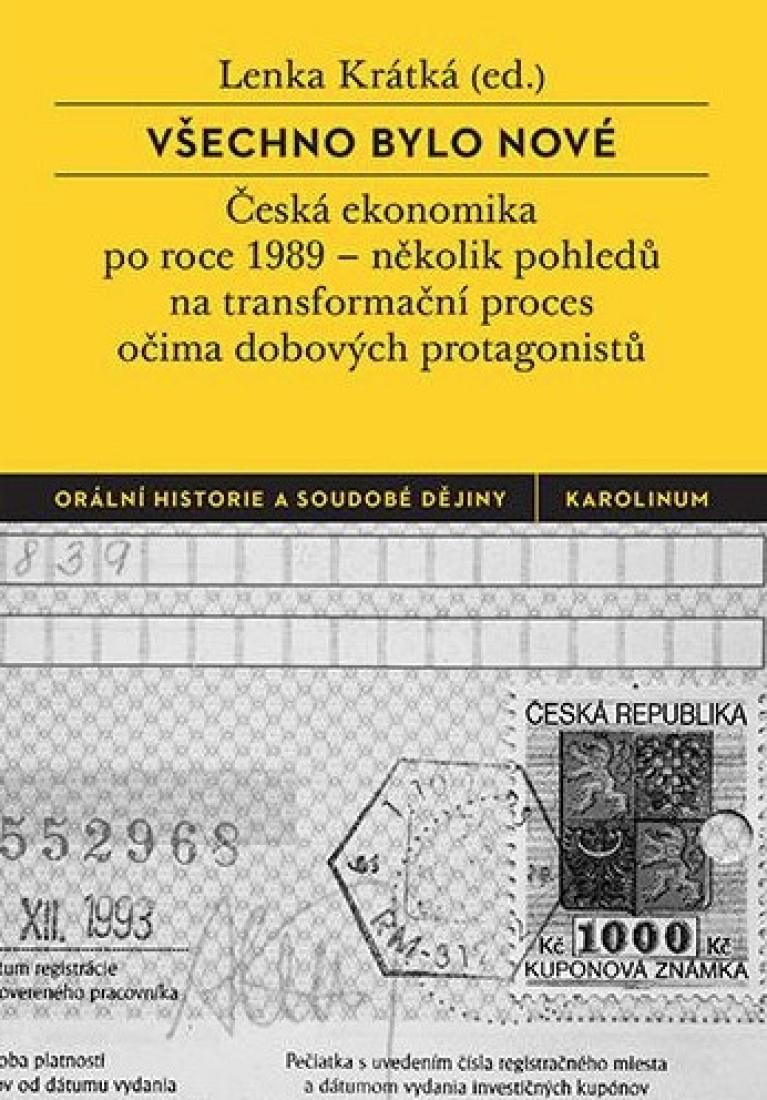

Vsechno bylo nove : Ceska ekonomika po roce 1989 - nekolik pohledu na transformacni proces ocima dobovych protagonistu Everything Was New: The Czech Economy After 1989—Several Perspectives on the Transformation Process Through the Eyes of Key Figures of the Time
Všechno bylo nové : Česká ekonomika po roce 1989 - několik pohledů na transformační proces očima dobových protagonistů-
Product Details
-
Product Details in Original Language
-
Description
-
 Wish listBuy now
Pribehy (ne)obycejnych profesi : ceska spolecnost v obdobi tzv. normalizace a t...
Wish listBuy now
Pribehy (ne)obycejnych profesi : ceska spolecnost v obdobi tzv. normalizace a t...- Prod#:
- 2183370B
- Czech Republic; Praha: Karolinum, 2014
- Czech
 Wish listBuy now
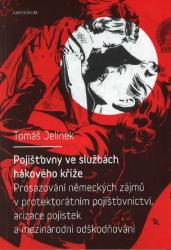
Pojistovny ve sluzbach hakoveho krize : prosazovani nemeckych zajmu v protektor...
Wish listBuy now
Pojistovny ve sluzbach hakoveho krize : prosazovani nemeckych zajmu v protektor...- Prod#:
- 2186210B
- Czech Republic; Praha: Karolinum, 2015
- Czech
 Wish listBuy now
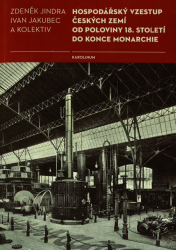
Hospodarsky vzestup ceskych zemi od poloviny 18. stoleti do konce monarchie
Wish listBuy now
Hospodarsky vzestup ceskych zemi od poloviny 18. stoleti do konce monarchie- Prod#:
- 2217226B
- Czech Republic; Praha: Karolinum, 2015
- Czech
- }