Product Details
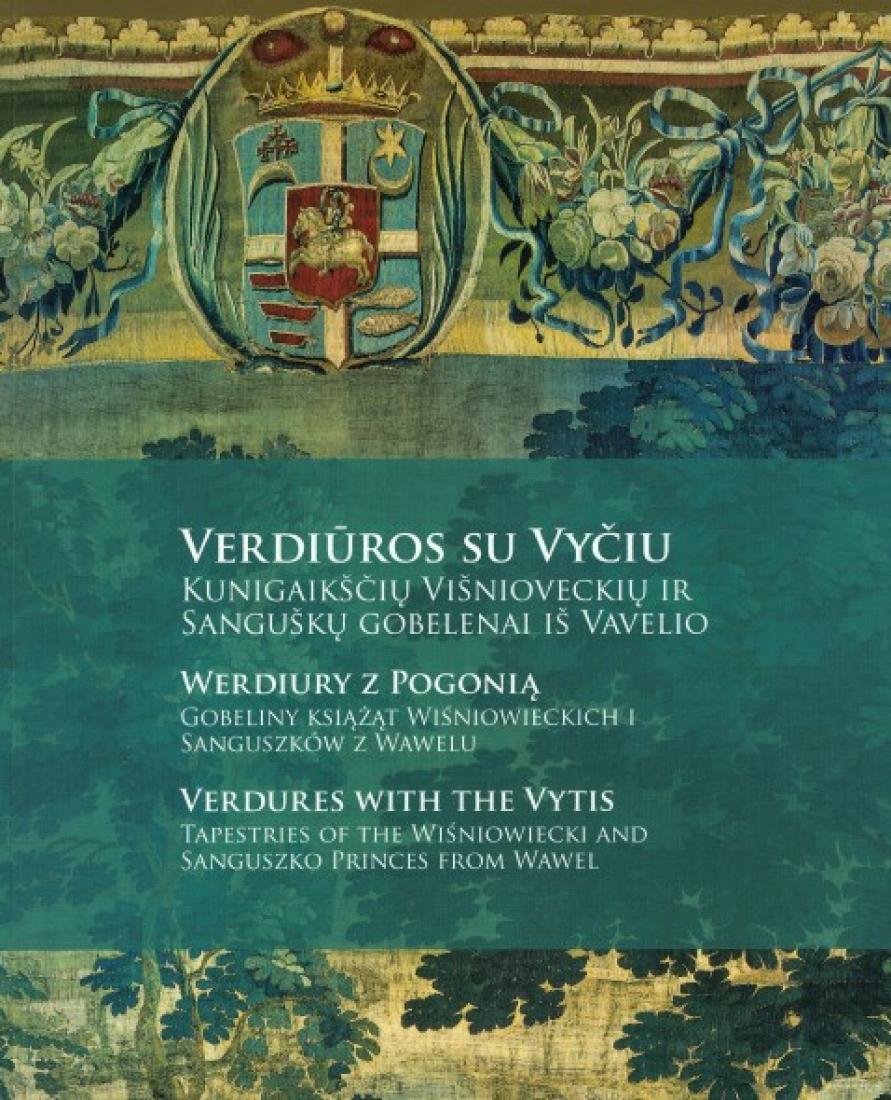
Verdiūros su Vyčiu : kunigaikščių Višnioveckių ir Sanguškų gobelenai iš Vavelio = Werdiury z Pogonią : gobeliny książąt Wiśniowieckich i Sanguszków z Wawelu = Verdures with the Vytis : tapestries of the Wiśniowiecki and Sanguszko princes from Wawel Print Books Price: $  Availability: Inquire 

Verdiuros su Vyciu : kunigaiksciu Visnioveckiu ir Sangusku gobelenai is Vavelio = Werdiury z Pogonia : gobeliny ksiazat Wisniowieckich i Sanguszkow z Wawelu = Verdures with the Vytis : tapestries of the Wisniowiecki and Sanguszko princes from Wawel  Verdures with the Vytis: Tapestries of the Wiśniowiecki and Sanguszko Princes from Wawel 

Verdiūros su Vyčiu : kunigaikščių Višnioveckių ir Sanguškų gobelenai iš Vavelio = Werdiury z Pogonią : gobeliny książąt Wiśniowieckich i Sanguszków z Wawelu = Verdures with the Vytis : tapestries of the Wiśniowiecki and Sanguszko princes from Wawel 
  • Product Details

    Product #
    Author(s)
    Dolinskas, Vydas
    City
    Vilnius 
    Country
    Lithuania 
    Language
    Lithuanian; Polish; English 
    ISBN
    9786098356106 
    Date of Publication
    2026 
    Publisher
    Cover Type
    Soft cover 
    Pages
    113 
    Subject
    Fine Arts / Architecture / Photography
     
  • Product Details in Original Language

  • Description

    Verdures with the Vytis: Tapestries of the Wiśniowiecki and Sanguszko Princes from Wawel The international exhibition "Verdiūras with Vytis. Tapestries of the Dukes Wiśniowecki and Sanguści from Wawel" presents exceptional Lithuanian treasures - tapestries with heraldic symbols from the Wawel Royal Castle - State Art Collections (Krakow, Poland). These fabrics - a special phenomenon of art, cultural heritage, patronage, representation, invaluable relics of Polish and Lithuanian history - are being shown to the public for the first time. The tapestries with the Lithuanian symbol Vytis exhibited at the exhibition testify to the complex, mysterious history of the Polish-Lithuanian Commonwealth and the noble families. They reveal the representational ambitions of the nobles who followed the example of the ruler, the desire to emphasize the honorable origin of the family and the desire to consolidate their status in the Polish-Lithuanian state.