When the Yellow River floods : water, technology, and nation-building in early twentieth-century Chinese literature
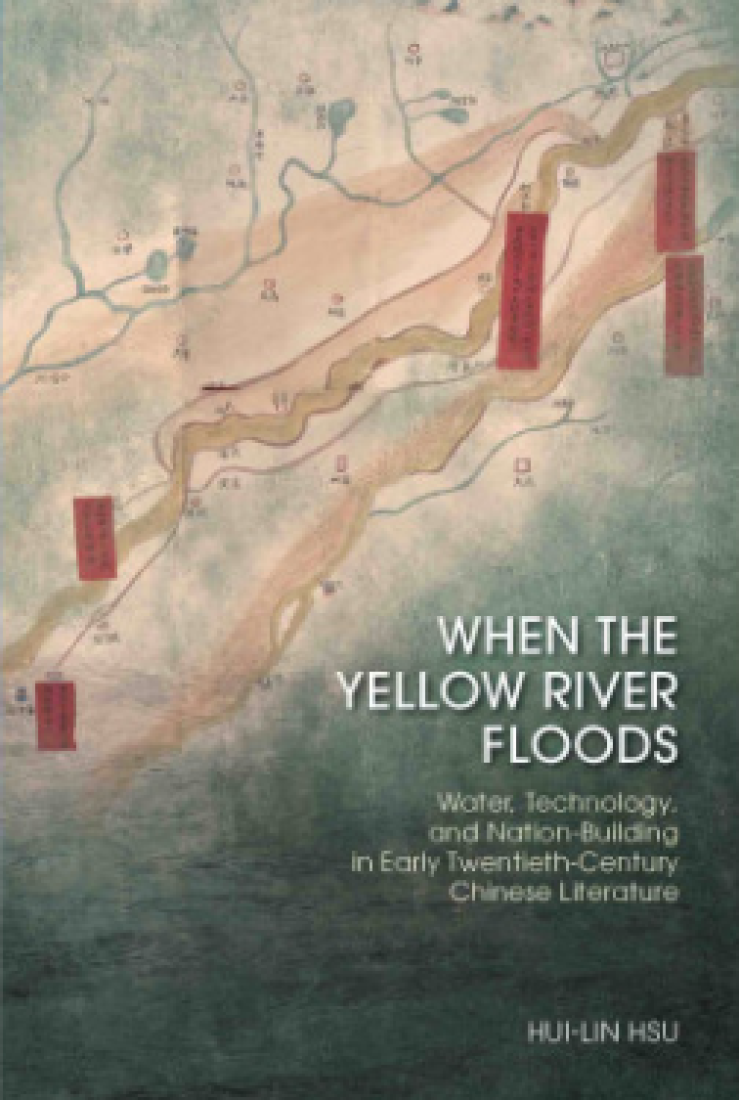
When the Yellow River Floods: Water, Technology, and Nation-Building in Early Twentieth-Century Chinese Literature
When the Yellow River Floods: Water, Technology, and Nation-Building in Early Twentieth-Century Chinese Literature When the Yellow River Floods explores the relationship between environmental degradation, hydraulic engineering, and nation-building in the context of Liu E’s The Travels of Lao Can. This book contributes to the field by providing a unique perspective on modern Chinese literary history that goes beyond conventional narratives that focus solely on political and cultural factors. The main areas covered include the role of water management in literary nation-building and the connections between the novel’s various themes, such as river engineering, medical and political discourses, national sentiment, and landscape description. The book is targeted toward scholars and students of Chinese literature, history, and environmental studies, as well as those interested in the intersections between literature, nation-building, and environmental challenges. By offering a comprehensive and material-based analysis of The Travels of Lao Can, this book broadens the understanding of nation-building in early twentieth-century China, highlighting the impact of environmental crises and hydraulics on the formation of national literature and consciousness. The book provides a new perspective on the environmental roots of modern Chinese literature, making it an essential read for those seeking to understand the complex interplay between literature, the environment, and national identity in China.