Product Details
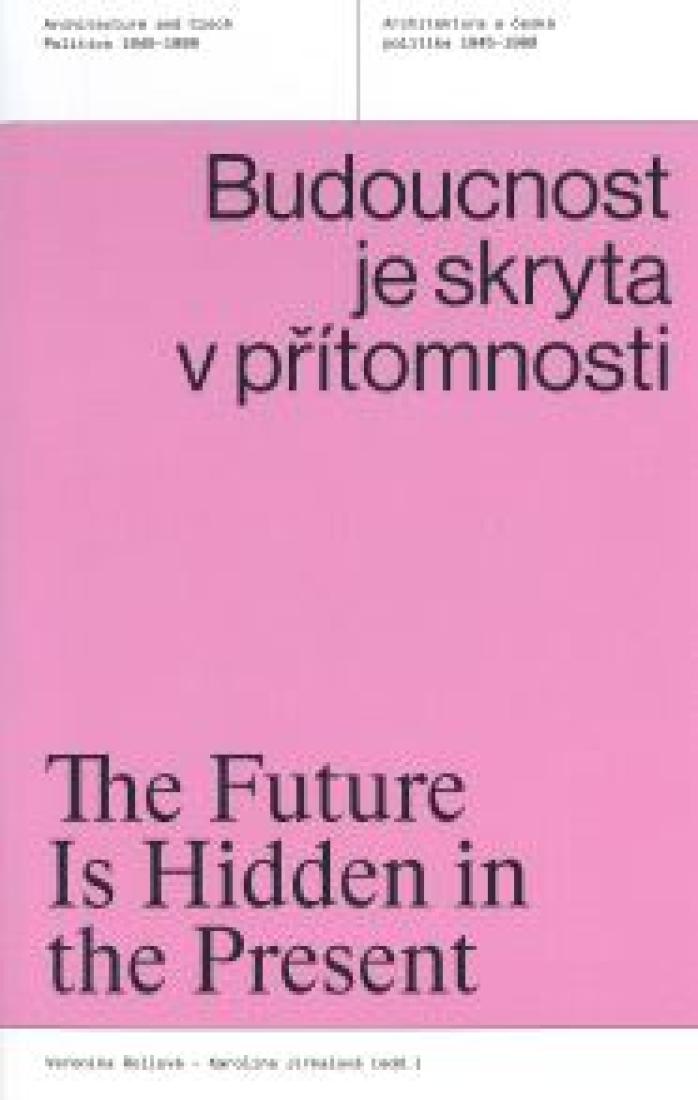
Budoucnost je skryta v přítomnosti : architektura a česká politika 1945-1989 = The future is hidden in the present : architecture and Czech politics 1945-1989 Print Books Price: $  Availability: Inquire 

Budoucnost je skryta v pritomnosti : architektura a ceska politika 1945-1989 = The future is hidden in the present : architecture and Czech politics 1945-1989  The Future is Hidden in the Present: Architecture and Czech Politics 1945-1989 

Budoucnost je skryta v přítomnosti : architektura a česká politika 1945-1989 = The future is hidden in the present : architecture and Czech politics 1945-1989 
  • Product Details

    Product #
    Author(s)
    Rollova, Veronika
    City
    Prague 
    Country
    Czech Republic 
    Language
    Czech; English 
    ISBN
    9788088308539 
    Date of Publication
    2021 
    Publisher
    Cover Type
    Soft cover 
    Pages
    471 
    Subject
    Fine Arts / Architecture / Photography
    Subject
    History, 20th-21st Centuries
    Subject
    Politics
     
  • Product Details in Original Language

  • Description

    The Future is Hidden in the Present: Architecture and Czech Politics 1945-1989 Czechoslovak architecture underwent a radical transformation after the Second World War. New political and social demands were placed on it, its institutional structure was transformed, and current topics and problems were reformulated in architectural circles. The publication focuses on changes in the definition of "socialist architecture", its main tasks and ideas about the form of the built environment of the communist "world of tomorrow" in the period from the mid-1940s to the end of the 1980s. It follows how political representatives, the architects themselves and representatives of other institutions, including construction companies, participated in this process and how their mutual negotiations took place. The focus of the authors of the individual chapters is not on changes in forms or construction procedures or the fate of specific personalities, but rather on the ways in which architects responded to changing social tasks and in which they tried to actively influence them.